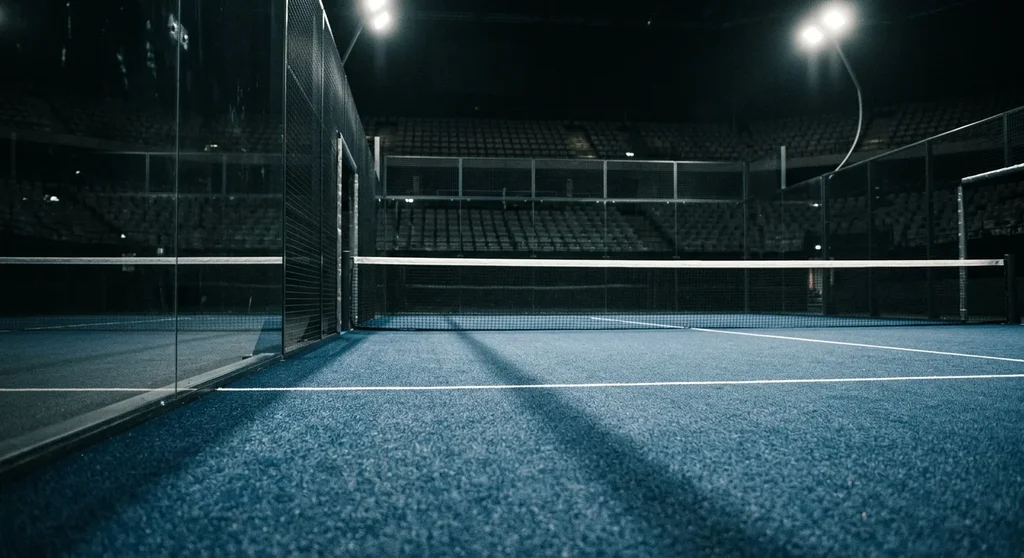
British padel has a national championship now, and it belongs to Bristol. The LTA Padel National Championships return for their second edition from Thursday 1 to Sunday 4 October 2026, and Rocket Padel – the UK’s largest padel club – hosts again after staging the inaugural event last December. If you play padel twice a week and have never watched the sport’s best domestic players compete for a national title, this is the event to put in your diary.
What the tournament is
The National Championships are the closest thing British padel has to Wimbledon: a single event that crowns the country’s best players across the full spread of ages and genders, run by the sport’s governing body. Eight categories compete across the four days – Men’s and Women’s Open, plus age-group draws at 40s, 50s, and 60s for both. The 40s category is new for 2026, added as the domestic competitive scene has grown enough to support it.
Entry required LTA Advantage membership, British nationality or FIP registration as GBR, and availability for the full tournament – deadline for entries was 21 September. The prize fund totals £10,400 across all categories, with LTA ranking points on offer too, which matters for players chasing a spot on the national rankings ladder. If you want the fuller picture of how those rankings work, our guide to the LTA ranking system breaks down grades, points, and how a recreational player can eventually enter the same competitive pathway.
Who’s defending, who’s chasing
The inaugural championships in December 2025 – also at Rocket Padel Bristol – produced two GB pairings who are now the players to beat. Aimee Gibson and Catherine Rose won the women’s Open, a result that fit their season: both have been fixtures at the top of British padel, with Gibson recognised as Britain’s leading women’s player and Rose a regular podium finisher on the FIP circuit through 2026.
Louis Harris and Alex Loughlan took the men’s Open in 2025. Harris and Loughlan sit among a small group of British men’s pairs who’ve pushed into FIP-level competition, and a repeat win in Bristol would mark them as the standard-bearers of this event in its early years. Christian Medina Murphy, Britain’s long-standing men’s No.1, is another name worth watching across the Open draw – he’s held British wildcards at Premier Padel level and represents the ceiling of where the domestic game currently sits.
A full entry list and seeding hadn’t been published at the time of writing, with entries only just closing. Check the official LTA competitions page as the tournament approaches for the confirmed draw.
Why Bristol, and why Rocket Padel
Rocket Padel Bristol has 14 indoor courts under one roof, more than any other padel venue in the country, and a competition pedigree that already includes FIP Silver events. That combination of scale and standard is why the LTA picked it for the inaugural championships and returned for 2026 rather than rotating the event elsewhere. We’ve covered the venue’s full court breakdown and pricing in our Bristol padel guide – worth a read if you’re travelling down and want to see the venue for yourself outside tournament week, or if you fancy a hit on the same courts the national champions will be playing on.
Bristol’s padel scene has grown fast enough to support this. The city has more dedicated courts than anywhere in the UK outside London, spread across Rocket Padel, Surge Padel, and The Padel Team in Easton, among others. Hosting the national championships is a marker of how far the city’s competitive infrastructure has come in a short space of time.
How to follow it as a fan
Spectator admission is free, with tickets available closer to the event through Rocket Padel and the LTA. That’s a meaningful difference from Britain’s other major 2026 padel event – Premier Padel’s P1 in London back in August charged from £41 a ticket. The National Championships are a domestic, grassroots-adjacent event by comparison, and the LTA has priced spectating accordingly.
Live scores and the draw will run through the LTA’s competitions website once the tournament begins, and streaming details are expected to follow closer to October. For a casual fan without a ticket, that’s the easiest way to track how the home favourites are getting on across the four days.
What this means for UK padel
A national championship that returns to the same venue for its second year, with a new age category added and a growing prize fund, is a sign the competitive structure beneath British padel is solidifying rather than still finding its shape. The 2025 champions have a title to defend, a new 40s draw gives more players a route to a national final, and Bristol gets to host the best domestic talent in the country for a second time running.
If you’re anywhere near the south-west in the first week of October, free admission and a national final worth watching make this worth a Saturday afternoon – whether or not you’ve ever picked up a racket competitively yourself.